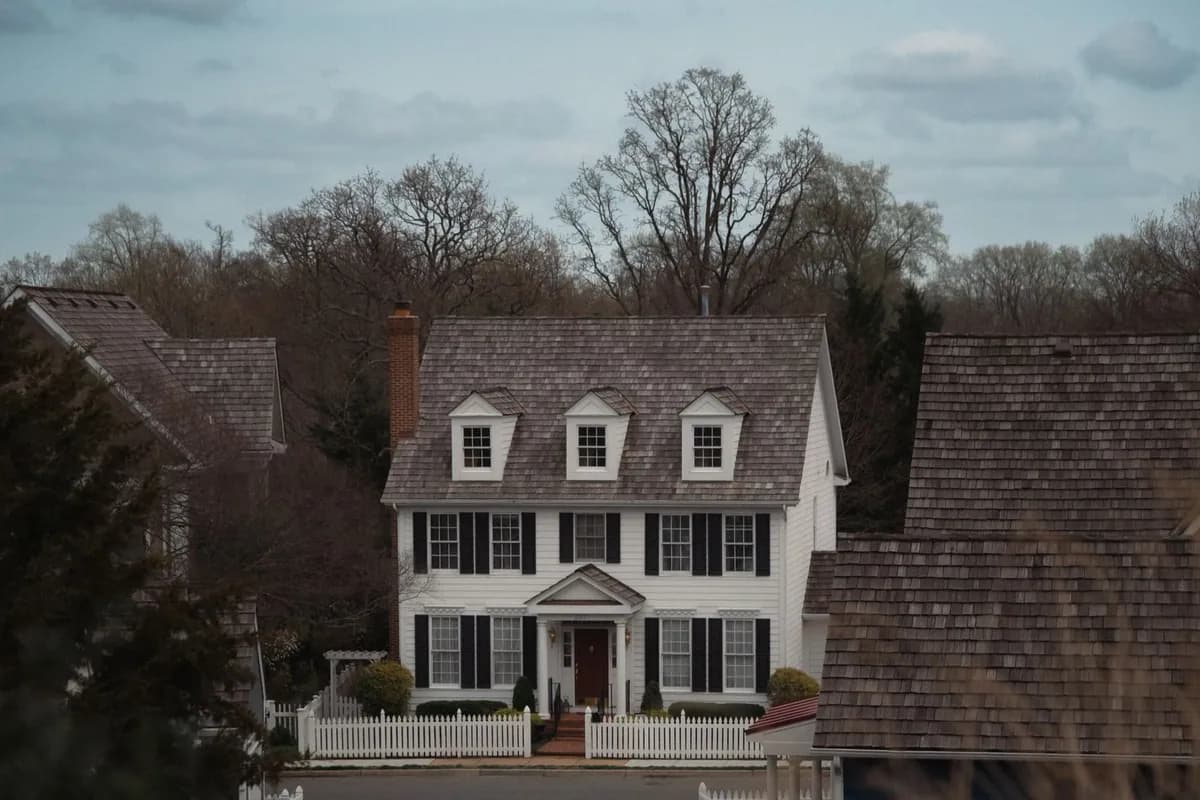
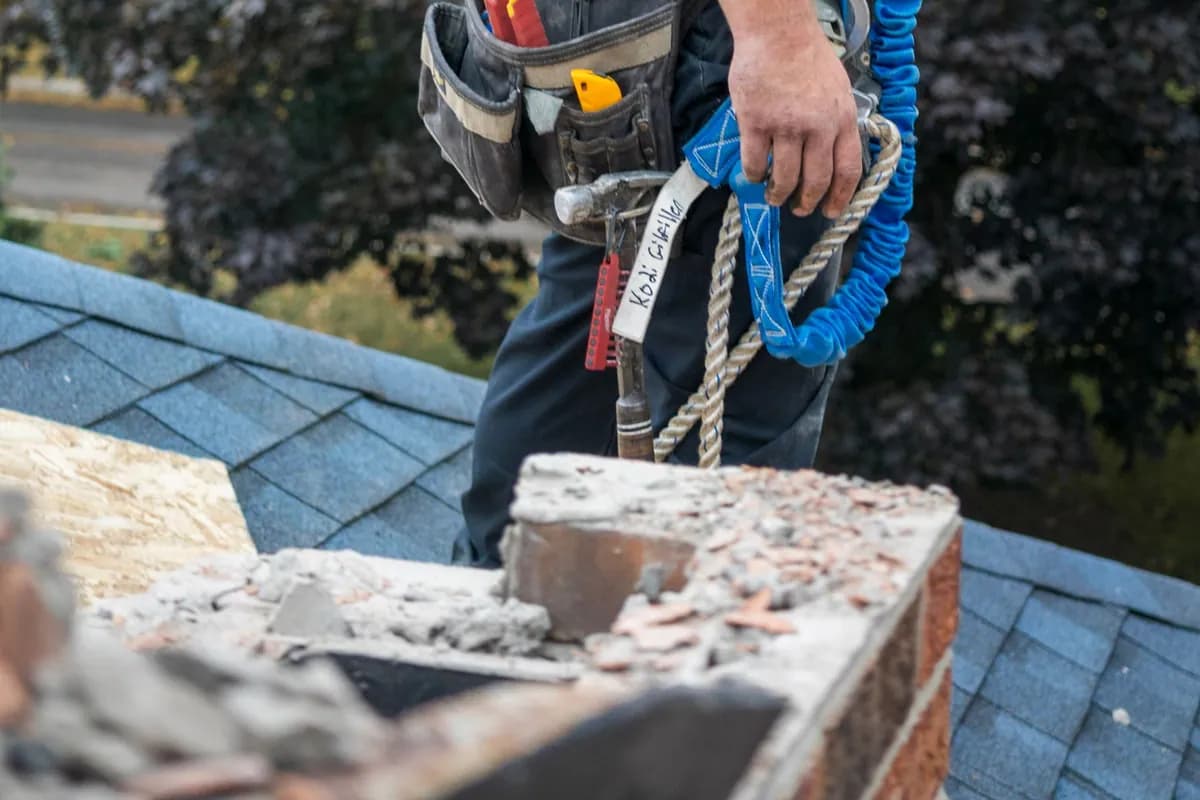
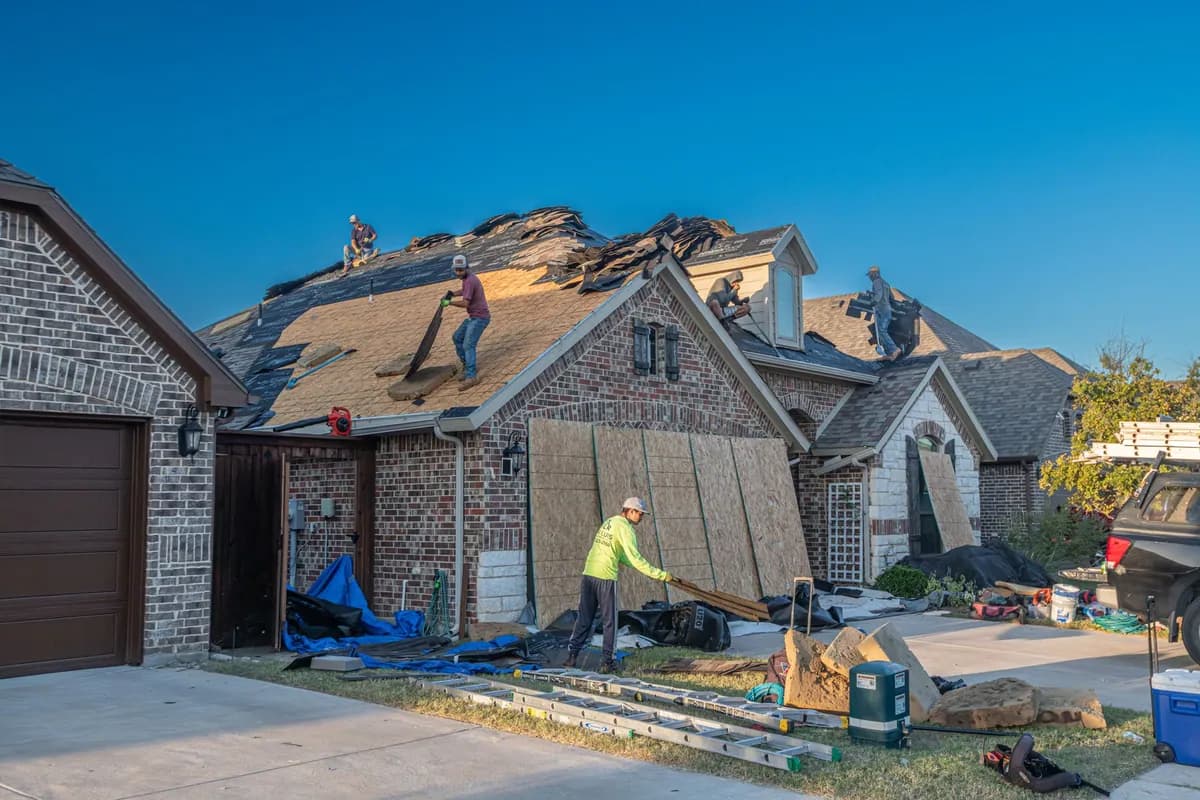
Roof Repair vs Roof Replacement
A framework for deciding, including the situations where repair is clearly right and the ones where it is throwing money at a roof that is finished.
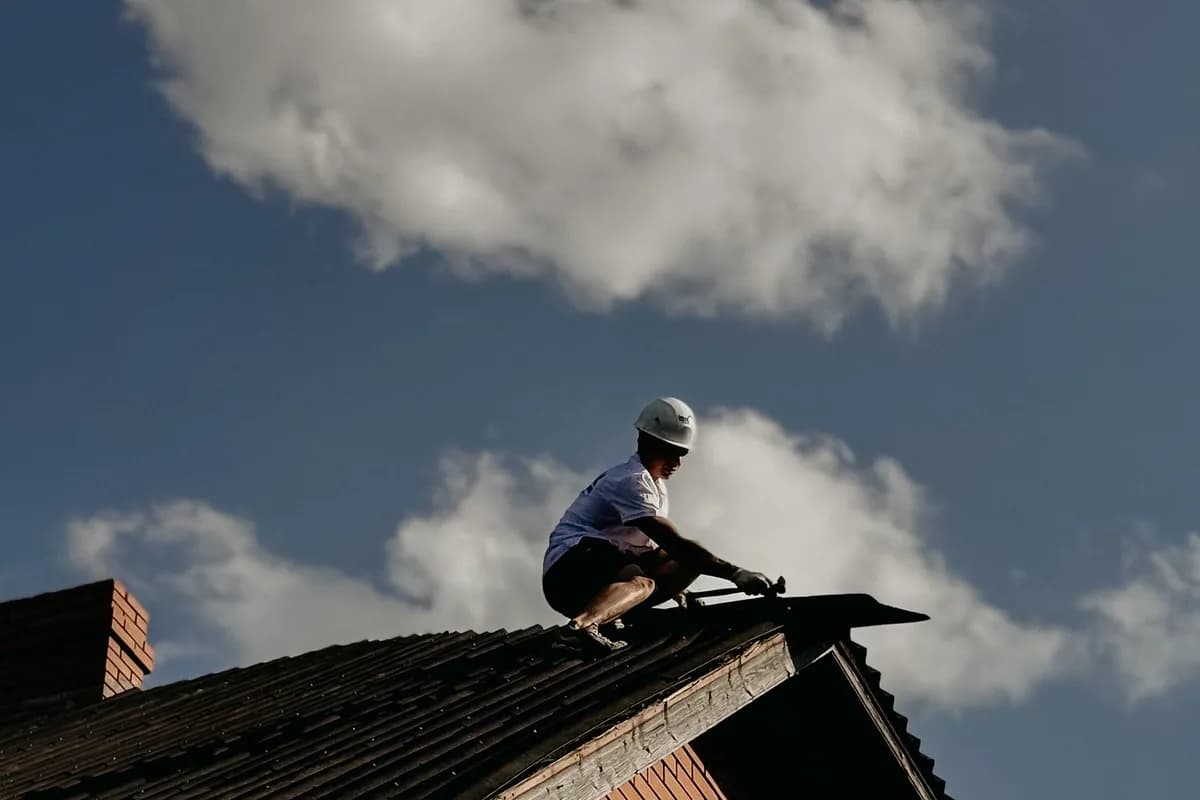
There is no universal answer, but there is a reliable way to reason about it. The question is not really 'is my roof damaged' — it is whether the covering as a whole still has serviceable life, and whether the damage is confined enough that repairing it makes economic sense.
Get those two things straight and the decision usually becomes obvious.
When repair is clearly the right answer
If the covering is in reasonable condition overall and the problem is a single identifiable failure, repair. A cracked pipe boot, a length of failed step flashing, a few shingles lost in a storm, a worn valley — these are discrete components on an otherwise functioning roof.
The test is whether the rest of the roof is doing its job. A ten-year-old roof with one failed vent boot does not need replacing; it needs a new vent boot.
- Damage confined to one area or one component
- Covering elsewhere still flexible, sealed and granulated
- Roof comfortably within its expected service life
- Decking sound outside the damaged area
When replacement is the honest recommendation
If leaks keep appearing in unrelated parts of the roof, the covering is telling you it has reached the end. Each repair is then buying a short reprieve while the next failure develops somewhere else.
Similarly, widespread curling, cracking or granule loss across multiple planes is a whole-roof condition, not a localised one. Patching a section of a roof in that state produces a repair that is sound surrounded by a roof that is not.
- Leaks recurring in different, unrelated locations
- Curling, cracking or bare patches across several planes
- Shingles brittle enough to break when lifted
- Decking soft over a substantial area
- Multiple layers already installed
The middle ground, and how to think about it
The genuinely difficult cases are roofs in the last few years of their life with a specific, fixable problem. Here it becomes an economic judgement rather than a technical one: what does the repair cost, how long will it realistically buy, and what would replacement cost if you did it now instead?
A repair that costs a fraction of replacement and buys several more years is usually worth doing. A repair costing a significant share of replacement on a roof with two or three years left generally is not.
Things that should not drive the decision
Shingle colour matching is a real consideration on a visible slope, but it is not a reason to replace a functioning roof. Neither is the age on the warranty by itself — warranties describe the product, not the installation or the ventilation, and plenty of roofs outlive or fall short of them.
The condition of the roof in front of you is the evidence. Everything else is context.
Getting a trustworthy assessment
A useful inspection tells you what is wrong, why, and what the options are — including the option of doing a repair now and planning replacement later. An assessment that concludes 'replacement' regardless of what was found is not an assessment.
Ask what specifically was observed, on which slopes, and what the attic side showed. Those answers tell you whether someone actually looked.