How Much Does Roof Replacement Cost in New Jersey?
Why two houses on the same street get very different quotes, and the specific factors that move the number up or down.
This is the first question most people ask, and the honest answer is that nobody can give you a meaningful figure without looking at your roof. That is not evasion — it is because the things that move the price most are not visible from the street, and some are not visible until the old roof comes off.
What we can do is explain exactly what those factors are, so that when you receive quotes you can tell whether they are pricing the same job. Two estimates that differ substantially often differ because one of them has accounted for something the other has not.
Roof size is measured in squares, not square feet
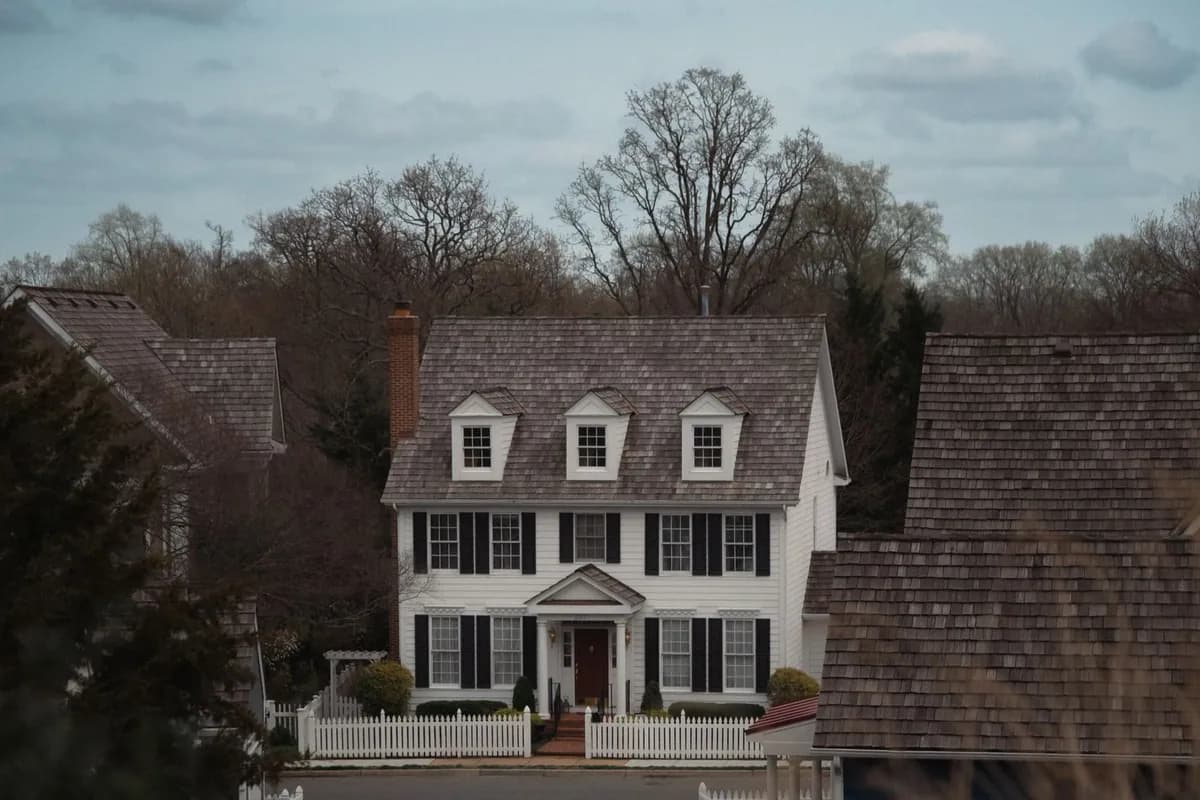
Roofers measure in 'squares' — one square is 100 square feet of roof surface. Importantly, that is the area of the roof surface, not the footprint of the house. A steeply pitched roof covers substantially more area than the floor plan beneath it.
This is why a modest-looking house with a steep roof can have more roof area than a larger house with a shallow one, and why footprint-based guesses are unreliable.
Pitch changes both material and labour
Steeper roofs need more material for the same footprint, and they take longer to work on because movement is slower and staging is more involved. Beyond a certain steepness, additional safety equipment and roof jacks are required, which adds time.
Very shallow pitches have their own cost implications: below roughly 4:12 shingles need additional underlayment measures, and below about 2:12 they are not an appropriate covering at all and a membrane system is required instead.
How many layers are already up there
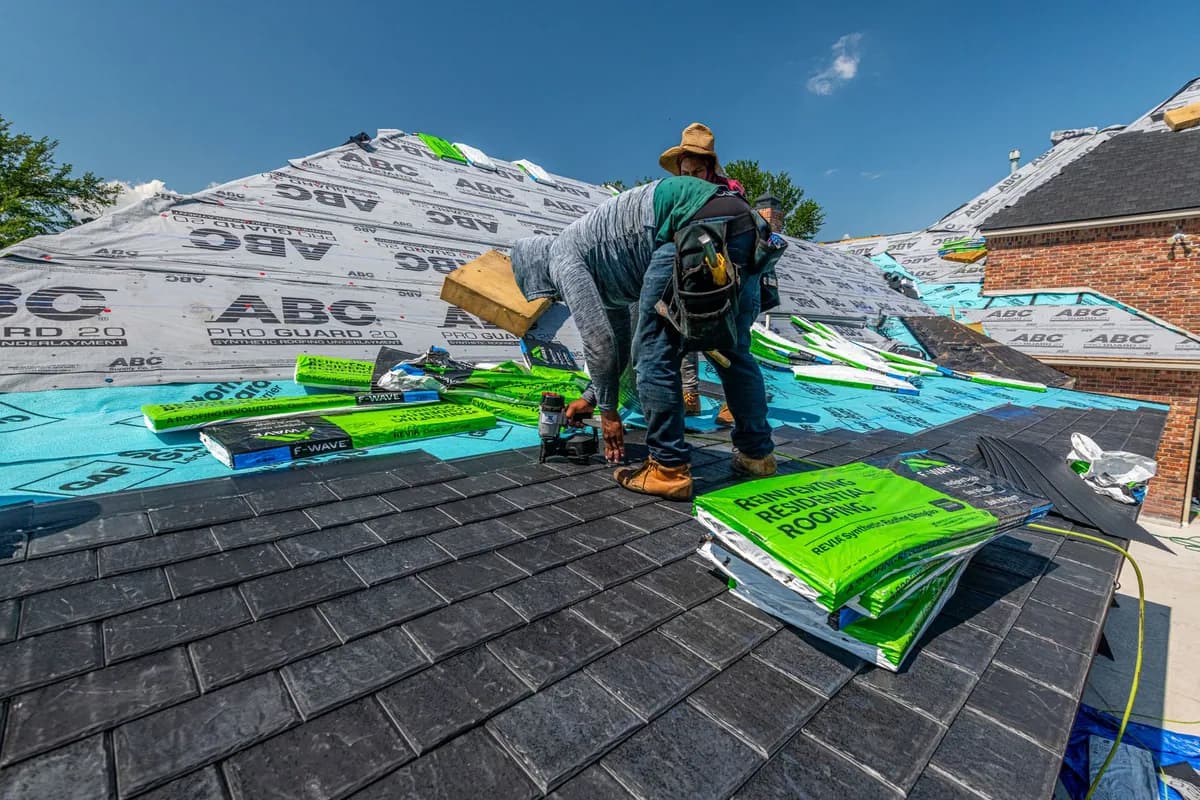
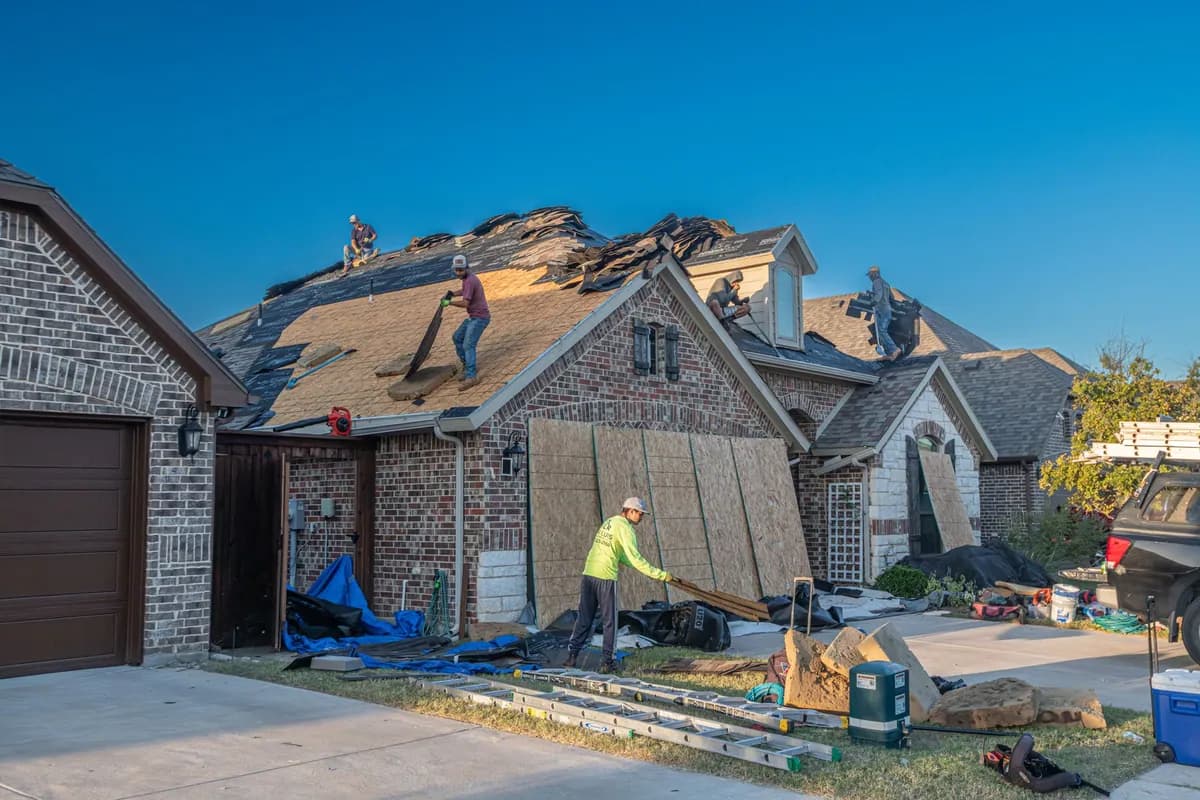
A roof carrying two layers of old shingles takes roughly twice the tear-off labour and produces roughly twice the disposal volume of a single-layer roof. Disposal is a real line item, charged by weight or volume, and it scales directly with what comes off.
This is one of the most common reasons two quotes differ. If one contractor has established there are two layers and another has assumed one, the numbers will not match and only one of them is describing your roof.
Decking condition — the genuine unknown
Nobody knows the state of your roof deck until the old covering is removed. Sheathing that has been quietly wet for years is soft and has to be replaced, and that is measured in sheets.
A well-constructed estimate handles this transparently: it states a price per sheet for replacement decking and confirms that additional decking will be discussed with you before it is installed. An estimate that ignores decking entirely is not cheaper — it is incomplete.
- Ask how decking replacement is priced
- Ask whether you will be consulted before extra decking is fitted
- Ask whether plank decking will need overlay sheathing, common on older homes
Complexity: valleys, dormers, chimneys and skylights
A simple gable roof with two planes and one plumbing vent is fast work. A roof with four dormers, three valleys, a chimney mid-slope and two skylights contains many times the flashing detail, and flashing is slow, skilled work.
Every one of those interruptions needs metal cut, fitted and integrated into the shingle courses. This is where much of the labour on a complex roof actually goes, and it is also where a cheap roof gets cheap — by sealing over details that should have been flashed.
Access, site conditions and disposal
A house with a driveway alongside it and clear ground for a dumpster is straightforward. A borough property on a narrow street with no on-site staging, or a rural house at the end of a long steep drive, takes longer to load, unload and clear.
Landscaping close to the house, limited space for debris, and restrictions on where a dumpster can sit all add time. None of this changes the roof itself, but all of it changes the labour.
Materials, and where upgrading is worth it
Shingle choice moves the price, but usually less than people expect relative to the total. The difference between a mid-range architectural shingle and a premium one is real but modest next to the cost of tear-off, decking, flashing and labour.
Where upgrades genuinely earn their cost is in wind rating on exposed sites, ice and water membrane coverage at vulnerable areas, and proper ventilation. Those affect how long the roof lasts. A premium shingle over blocked soffits will underperform a mid-range shingle on a well-ventilated roof.
- Shingle grade and wind rating
- Extent of ice and water membrane coverage
- New flashing throughout versus reusing existing metal
- Ventilation improvements included or not
- Gutter replacement carried out at the same time
How to compare quotes properly
Put the quotes side by side and check they describe the same scope. Does each include full tear-off? New flashing, or reused? How much ice and water membrane? What happens if decking needs replacing? Is ventilation addressed? Is disposal included?
A quote that is meaningfully lower than the others is usually lower for a reason, and the reason is normally something omitted rather than something achieved more efficiently.