How Long Does an Asphalt Shingle Roof Last in New Jersey?
The range is wide, and the reasons are mostly under your control — ventilation and installation quality matter more than the brand.
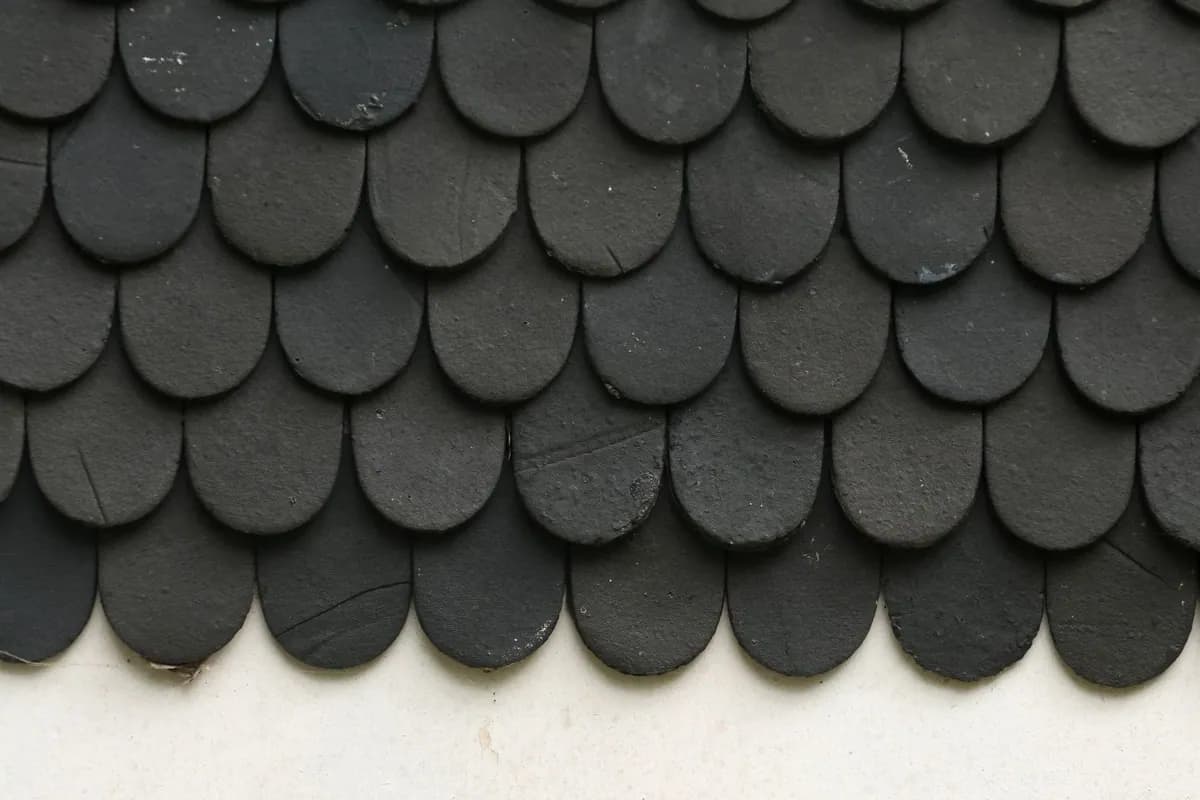
Architectural asphalt shingles commonly give somewhere in the region of twenty to thirty years in this climate. That is a wide range, and where a particular roof lands in it has less to do with the product than with four other things.
Understanding those four things tells you both what to expect from your current roof and what to prioritise when you replace it.
Ventilation does more than anything else
Shingles are aged by heat, and they take it from both sides. The sun works on them from above, and an unventilated attic bakes them from beneath. In a New Jersey summer, an attic without airflow runs far hotter than the outside air, and every hour of that shortens the life of the covering above it.
In winter the same lack of airflow causes a different problem. Moisture from the house rises into the attic, condenses on the cold underside of the sheathing, and over years degrades the deck the shingles are nailed to.
Balanced ventilation means intake at the soffits and exhaust at the ridge. A ridge vent with insulation blocking the soffits is not ventilation — air must be able to enter for any to leave.
Which way the slope faces
South and west-facing slopes take considerably more sun than north-facing ones, and they age faster. It is entirely normal for one plane of a roof to be visibly more weathered than another on the same house of the same age.
North-facing slopes have the opposite problem. They stay shaded and damp, dry slowly after rain, and are where moss and algae establish. That is a different failure mode, but it is still a failure mode.
Installation quality, which you cannot see afterwards
Nail placement is the clearest example. Shingles have a defined nailing zone, and fasteners placed above it miss the course below entirely, halving the number of nails actually holding each shingle. Nails driven too deep cut the mat; nails left proud hold the next course off the deck.
The starter course matters nearly as much. Without a proper starter strip at eaves and rakes, the perimeter shingles have nothing sealing their edges down, and the perimeter is exactly where wind gets underneath.
None of this is visible once the roof is complete, which is why the quality of the installation matters more than the name on the bundle.
Shingle type and rating
Three-tab shingles are lighter, thinner and shorter-lived, and because each tab acts as an independent flap they are more vulnerable to wind. Architectural shingles laminate two layers together, giving greater weight, better wind resistance and a longer expected life.
On exposed sites — open farmland, ridge tops, properties without a windbreak — a higher wind rating is a genuine and worthwhile difference rather than an upsell.
What our freeze-thaw pattern does
New Jersey winters cycle repeatedly between freezing and thawing rather than staying frozen. Water gets into small gaps, freezes, expands and enlarges them, then the cycle repeats. Over years this works at flashing joints, at the seams around dormers and chimneys, and at the eaves.
It is also what drives ice damming: snow melts on the warmer upper roof, runs to the cold eave overhang, and refreezes there, building a ridge of ice that holds subsequent melt water on the roof where it can work back under the shingles.
Reading your own roof
Granules in the gutters are normal in small amounts, especially on a new roof, but steady accumulation means the protective surface is wearing away. Curling or cupping shingles indicate the mat is deteriorating. Shingles that crack rather than flex when lifted have become brittle.
One of these on one slope is a repair conversation. Several of them across multiple planes means the covering is near the end of its life, regardless of what the original warranty said.
- Steady granule loss into gutters
- Curling, cupping or cracking across more than one plane
- Shingles that snap rather than bend
- Repeated leaks in unrelated areas
- Bare patches where the granule surface has gone