Asphalt Shingles vs Metal Roofing
Both are good roofs. They suit different buildings, different budgets and different maintenance expectations.
This is not a question with one right answer. Asphalt and metal are both entirely legitimate roofing systems, and the sensible choice depends on the building, the site, how long you plan to be there and what you want from maintenance.
Here is how they actually compare on the things that matter.
Up-front cost
Asphalt is substantially less expensive to install. Materials cost less, installation is faster, and the labour pool is larger. For most Hunterdon County homes it remains the default for that reason.
Metal costs more up front, with standing seam costing considerably more than exposed-fastener panels. Whether that difference pays back depends heavily on how long you keep the building.
Service life
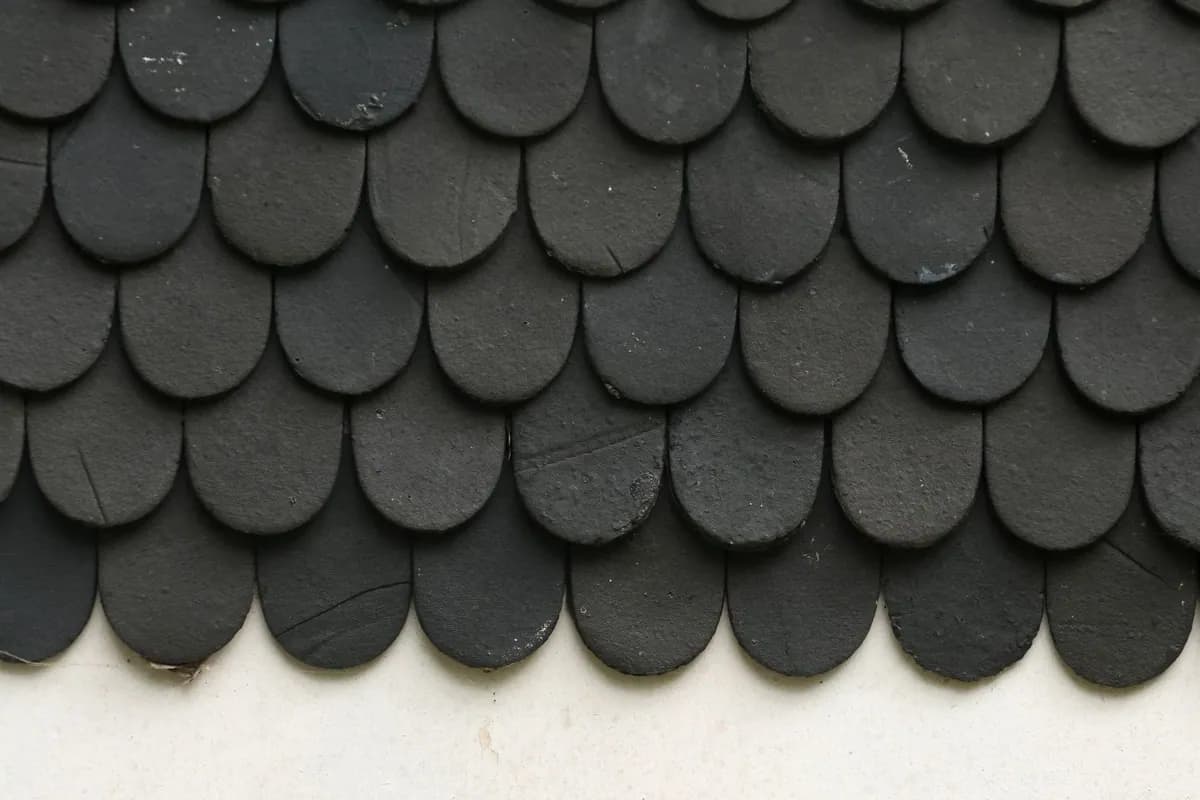
Architectural asphalt shingles commonly give around twenty to thirty years in this climate. Metal roofs, particularly standing seam, last considerably longer — often long enough that a homeowner installs one roof rather than two.
The caveat is that exposed-fastener metal has a shorter effective maintenance interval than its panels suggest, because the rubber washers under each screw head degrade first and need attention well before the metal does.
Snow and ice
Metal sheds snow readily, which is often an advantage in reducing load. But it sheds it all at once, and a slope discharging over a doorway, walkway or driveway becomes a hazard. Snow retention bars are the answer, and they should be planned from the start rather than added after someone gets hurt.
Asphalt holds snow more gradually. That is gentler on what is below the eaves but means more sustained load and, where attic heat loss is uncontrolled, more scope for ice damming.
Noise, and the myth about it
Metal roofs are far quieter than their reputation. Over solid decking, underlayment and an insulated attic, a metal roof sounds much like any other roof from inside the house.
The drumming people remember comes from metal fixed directly to open purlins on a barn, with no deck and nothing underneath. That is a different assembly entirely.
Repairability
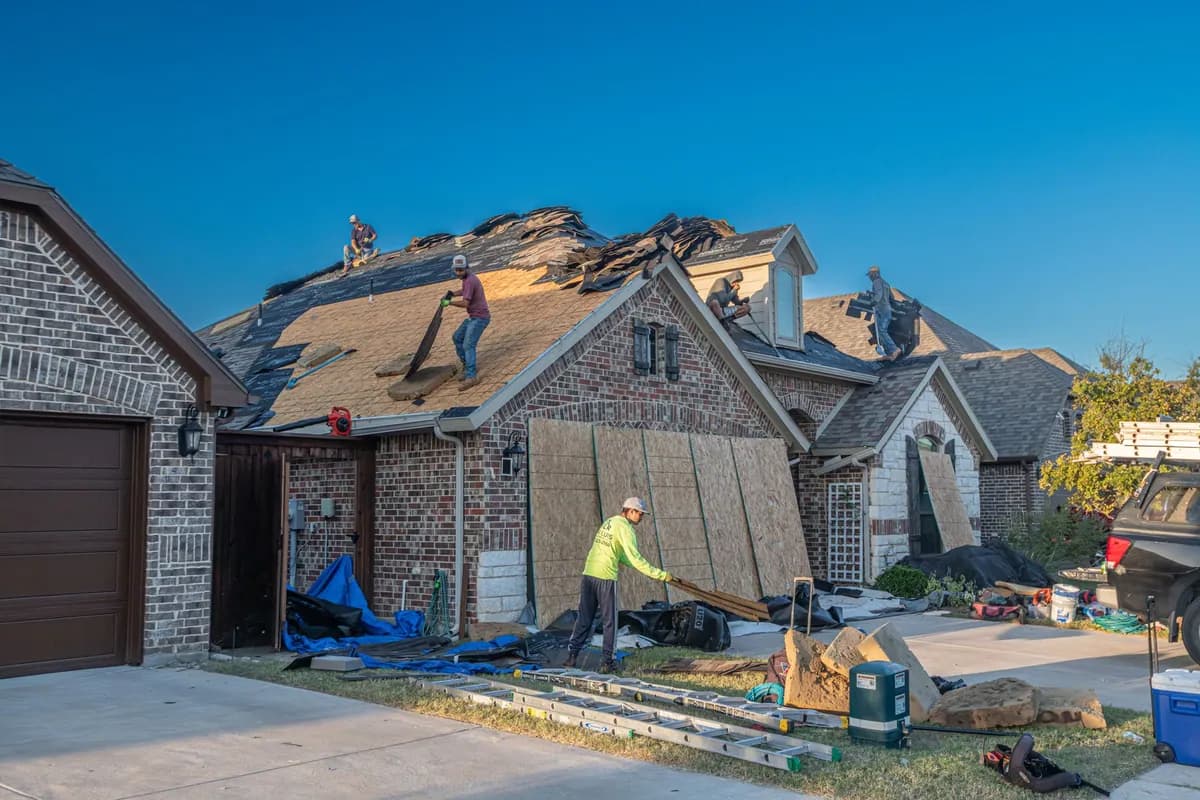
Asphalt is straightforward to repair in sections. Individual shingles can be replaced, and the materials are universally available, though matching an older colour exactly is often not possible.
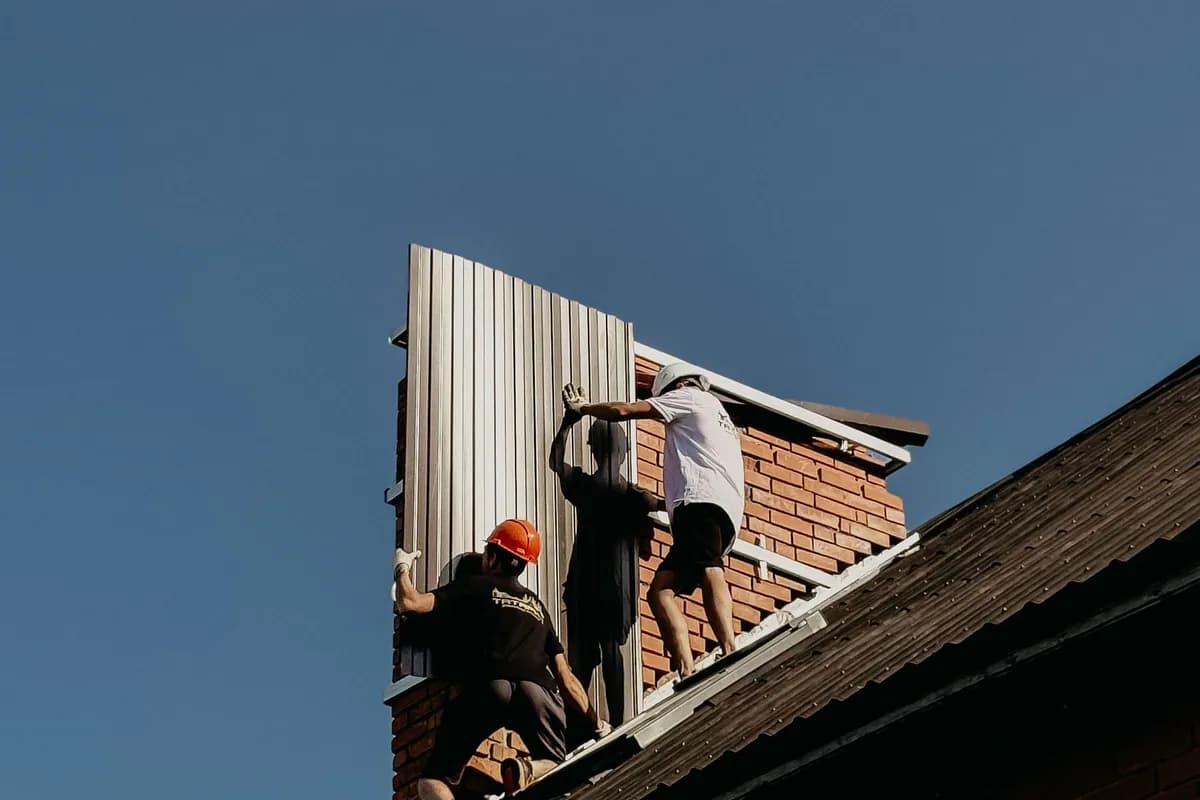
Metal is more involved. Panels run full length, so replacing a damaged section can mean removing more than the damaged part, and matching an existing profile and finish years later takes some effort. Against that, metal needs repair less often.
Which suits which building
Metal is a natural fit for barns, stables, equipment buildings and outbuildings — large, simple planes where its efficiency shows and its appearance is entirely appropriate. It also suits rural houses where it fits the setting, and buildings where a very long service life is the priority.
Asphalt suits most suburban and in-town houses, complex rooflines with many valleys and dormers where cutting metal to fit becomes expensive, and situations where matching neighbouring properties or a historic character matters.
- Barns and outbuildings: metal, usually exposed-fastener
- Rural houses wanting a long-life roof: standing seam
- Complex roofs with many dormers and valleys: asphalt
- Tight budgets and shorter ownership horizons: asphalt
- Slopes discharging over entrances: metal only with snow retention
What both need to get right
Whatever the covering, the layers beneath and the details at the edges decide how the roof performs. Both systems need a sound deck, appropriate underlayment, ice and water membrane at the vulnerable areas, properly executed flashing in metal, and balanced ventilation.
A premium covering over a poorly ventilated attic with improvised flashing will underperform a modest covering installed properly. The covering is the visible part of the decision, not the important part.