How Storm Damage Affects Your Roof
The most common form of wind damage leaves no visible trace. Here is what actually happens and how to tell whether your roof took a hit.
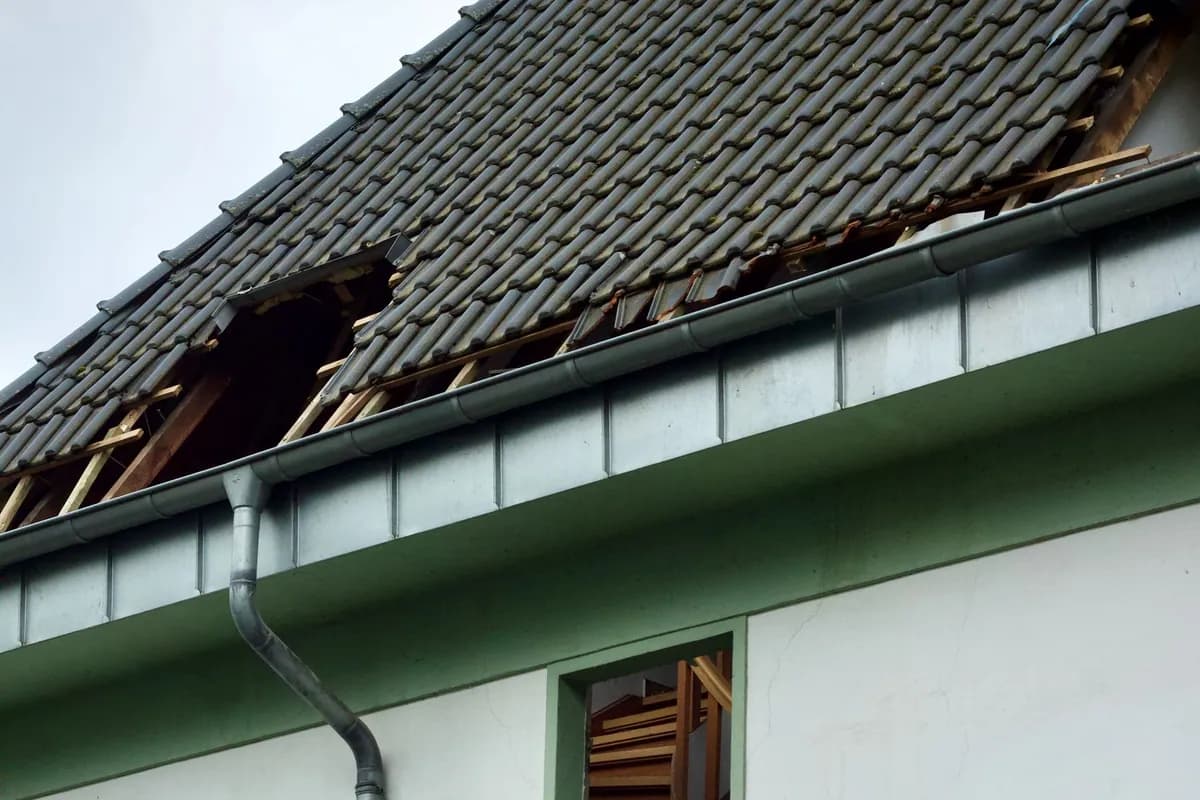
After a storm, most people look for missing shingles. Missing shingles are real damage, but they are the minority of what a significant wind event does to a roof — and the majority is invisible from the driveway.
Understanding what actually happens explains why a roof that looks untouched can fail in the next storm.
The sealant bond, and why it matters
Asphalt shingles are held in place two ways: by nails, and by a strip of adhesive that bonds each shingle to the one below it. That bond is what stops wind getting underneath and lifting the course.
Wind commonly breaks that bond without pulling a single nail. The shingle lifts, flexes, and drops back into place looking exactly as it did before — but it is no longer sealed. The next storm has a much easier job, and that is when it comes off.
This is the single most common form of storm damage and it cannot be seen from the ground. It often cannot be seen from the roof either without lifting shingles to check.
Creased shingles
A creased shingle has been lifted far enough to fold and has a visible line across it. That crease is a fracture in the mat. The shingle will not recover, and the crease becomes a path for water.
Creasing is most common along rakes, eaves and ridges, because that is where wind gets under the covering first. Edges take the load before the field does.
What hail does
Hail damage on asphalt shows as bruising: circular impacts where granules have been knocked away and the mat beneath has been damaged. The roof does not leak immediately, but the granule surface is what protects the asphalt from UV, and where it has gone the shingle ages rapidly.
Soft metal is the easiest place to confirm hail struck. Dents in vents, gutters, flashing and downspouts indicate impact even when the shingles are hard to read.
Falling limbs and trees
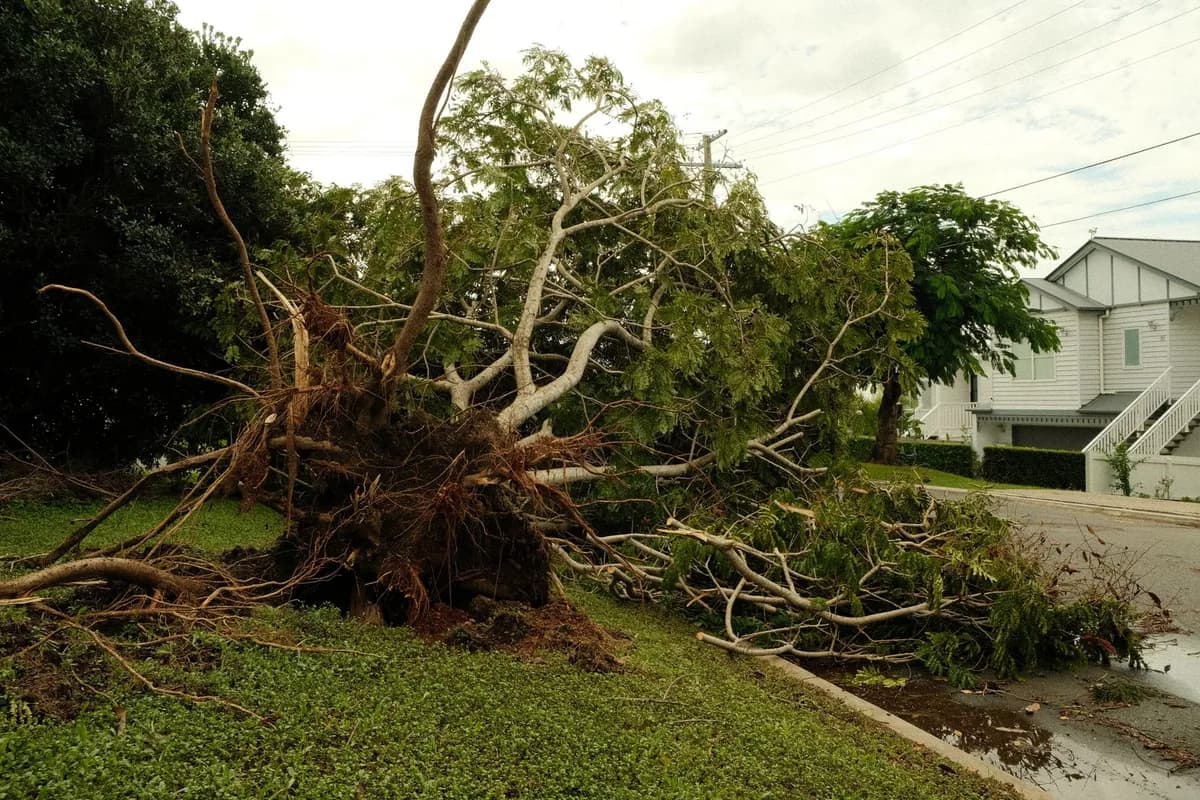
A branch coming down can puncture the covering, crack decking, or abrade a wide area of shingles as it slides. The damage underneath is frequently greater than the surface suggests, because impact spreads through the deck.
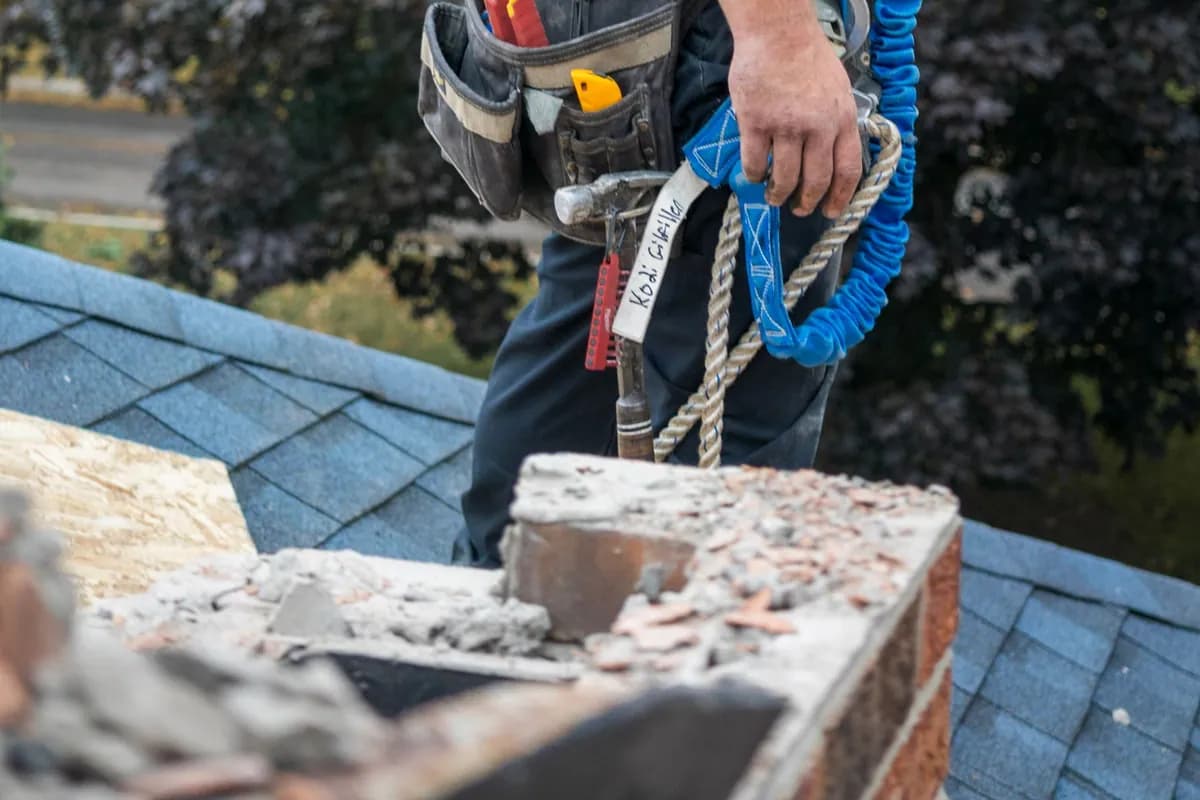
Removing a limb needs care: the roof beneath may not be sound, and dragging a branch across intact shingles causes fresh damage. Where a tree is bearing on the structure, treat it as urgent and stay out from under it.
The secondary damage
Storms also move things that are not the covering. Gutters get pulled loose, downspouts separate, flashing bends, and ridge caps displace. Each of those is a route for water even when the shingles are intact.
Wind-driven rain is its own category. It can push water uphill under shingles and behind flashing in a way ordinary rain does not, which is why some roofs only leak in storms from one particular direction.
What to do afterwards
Photograph anything visible from the ground, including debris in the yard, while it is fresh. Then have the roof assessed properly — the whole roof, not just the obvious damage, because the unsealed shingles are the part that will cost you later.
If you intend to contact your insurer, do it promptly. We document what we find clearly, which is what insurers ask for, but we are roofers rather than adjusters and cannot tell you what your policy covers.