What to Do When Your Roof Starts Leaking
The first hour matters. Here is what to do, what to avoid, and why the stain on your ceiling is not where the water is getting in.
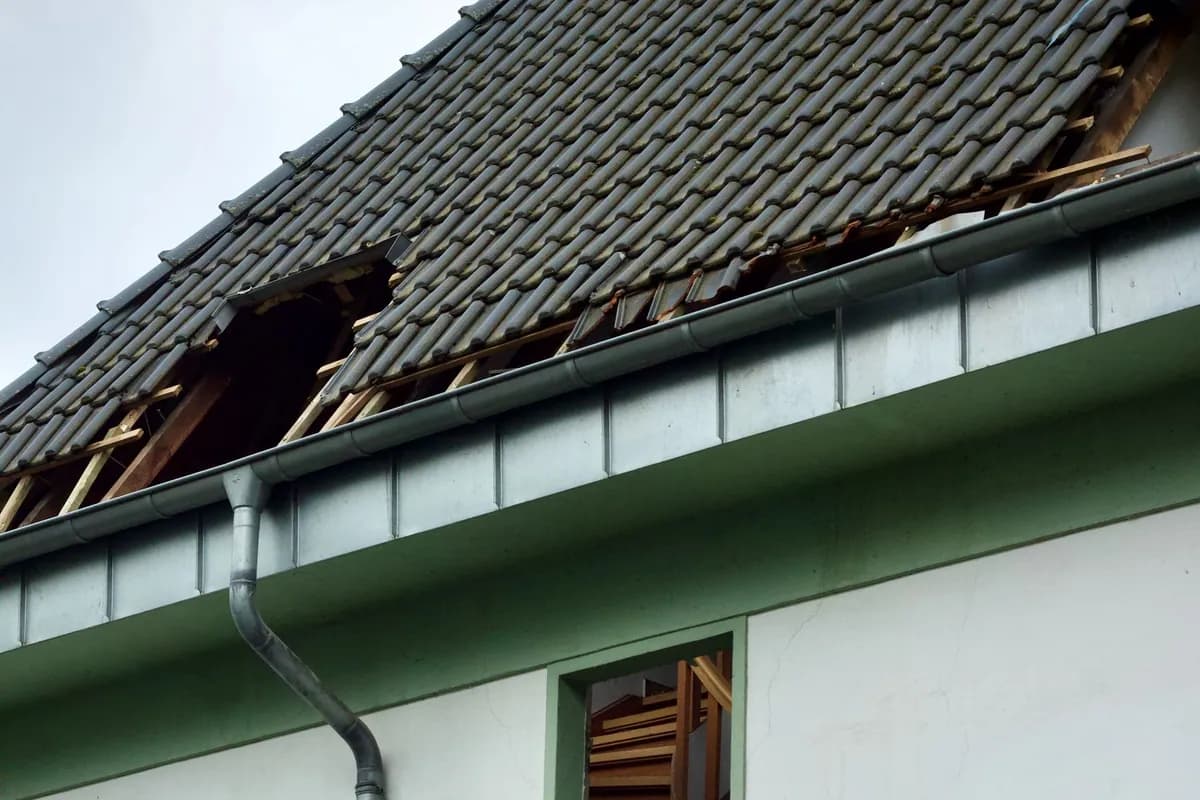
An active leak is doing two kinds of damage at once: to the roof assembly, and to everything below it. Most of what you can usefully do in the first hour is about the second kind.
If water is coming in now, call us at (914) 906-5748. In the meantime, the steps below will limit what the water reaches.
Contain the water
Put containers under active drips and move furniture, electronics and anything absorbent out of the way. A plastic sheet over what cannot be moved is worth the two minutes it takes.
Empty containers before they overflow. A steady drip fills a bucket faster than people expect, and an overflowing bucket is worse than no bucket.
Relieve a bulging ceiling deliberately
If a ceiling is sagging or bulging, it is holding water. That water is coming down one way or another, and a controlled release is far better than a section of ceiling giving way at once.
Put a container underneath, and make a small hole at the lowest point of the bulge with a screwdriver. It feels wrong, but it drains the water in one place instead of letting it spread through the ceiling and come down across a wider area.
Deal with the electrical risk
Water and electricity in a ceiling is a genuine hazard. If water is near a light fitting or running down a wall containing outlets, switch off the affected circuit at the panel if you can do so safely and without standing in water.
Do not touch wet fittings, and do not assume a fitting is safe because it still works.
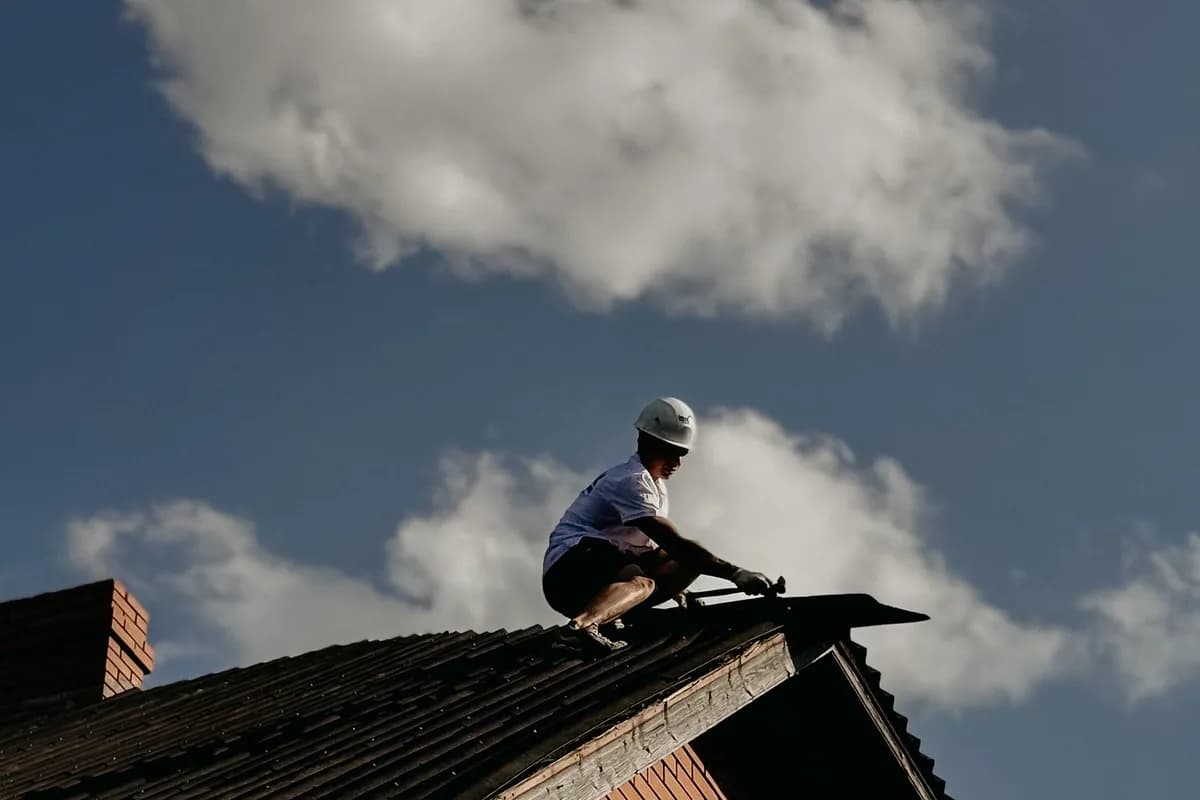
Stay off the roof
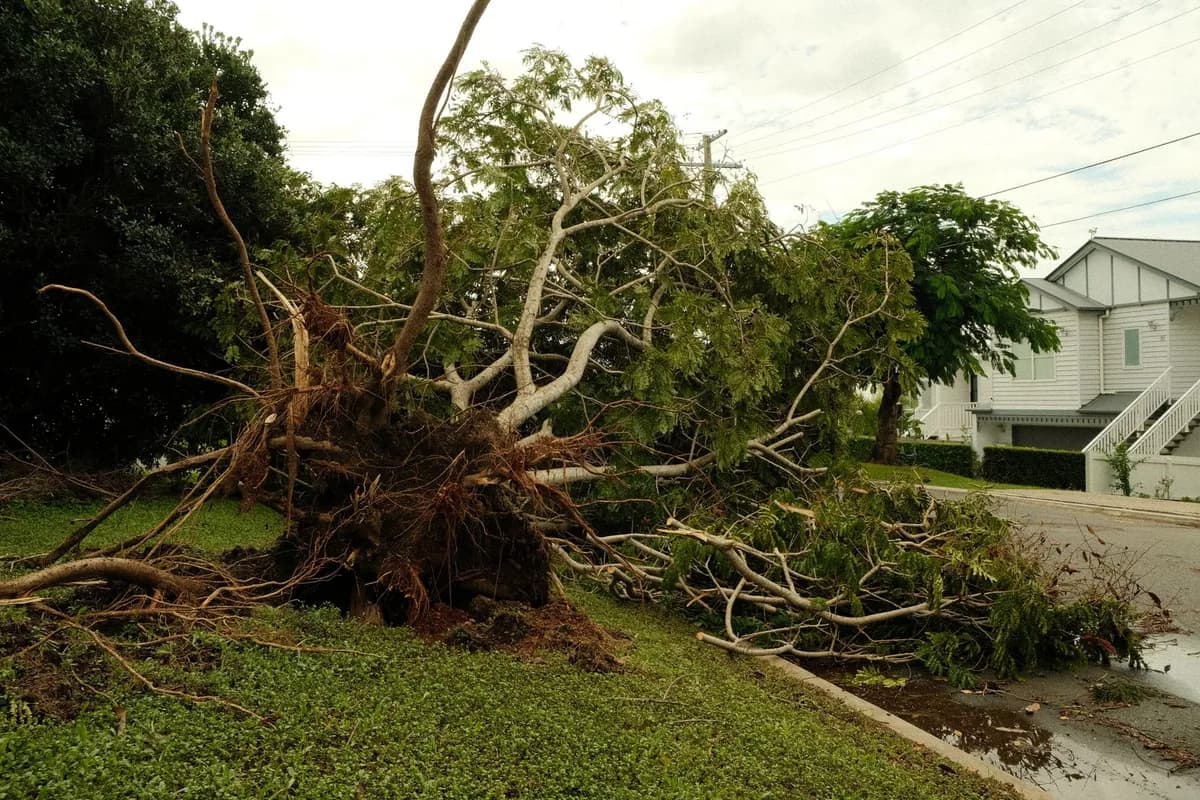
A wet roof is slippery and an aged or damaged one may not hold weight where it looks like it should. Storm-damaged roofs in particular can have compromised decking that is invisible from the surface.
There is nothing useful you can do up there that is worth the risk. Photograph what you can see from the ground instead.
Why the leak is rarely above the stain
Water entering a roof runs along the underside of the sheathing, travels down a rafter, and drops wherever something interrupts it — a nail, a seam, a joint in the deck. By the time it reaches your ceiling it may be several feet from where it got in, and often uphill of it.
This is why locating a leak properly means working backwards from the interior evidence rather than assuming the problem is directly above the wet patch. It is also why patching the roof immediately over a stain so often fails to fix anything.
What we do when we arrive
The first priority is stopping further water entry, which may mean temporary protection over the affected area before anything else. Then the actual source is traced, usually starting from the attic side where staining patterns show where water has been travelling.
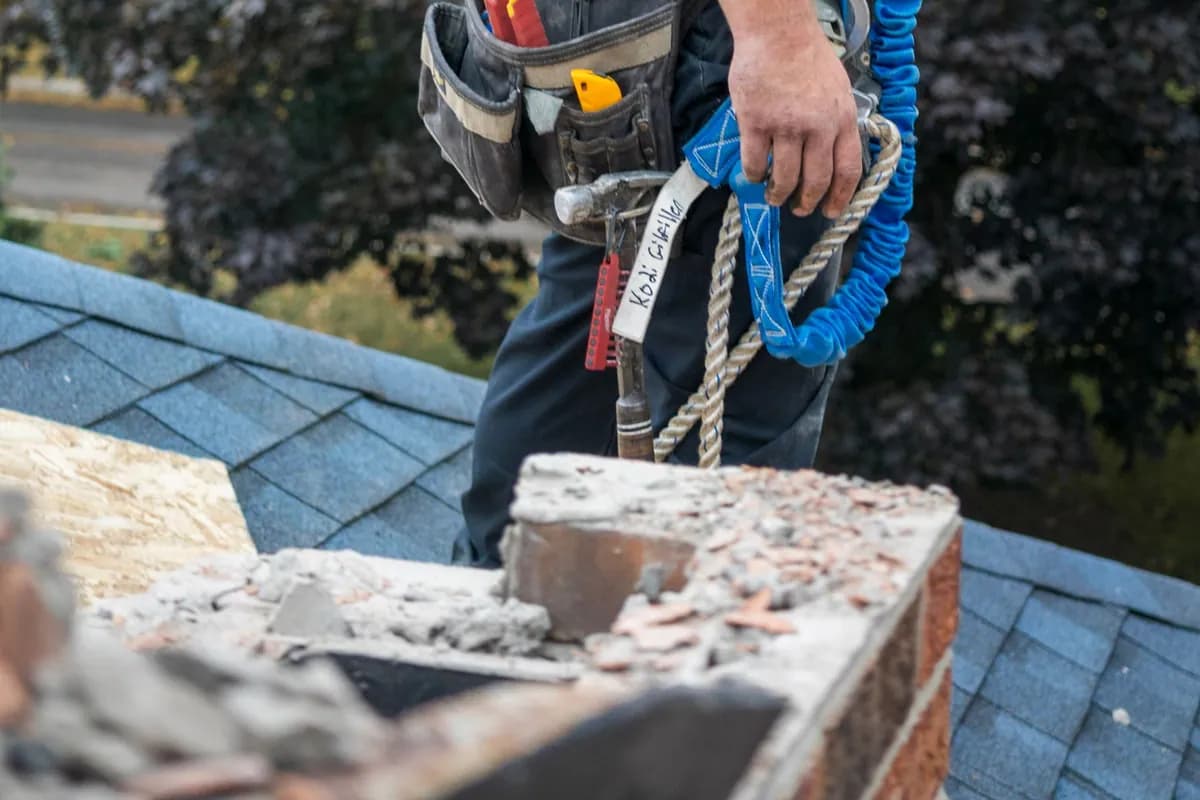
Once the source is identified, the repair rebuilds what failed — flashing in metal, decking replaced where it is soft, membrane and covering restored — rather than sealing over the symptom.